
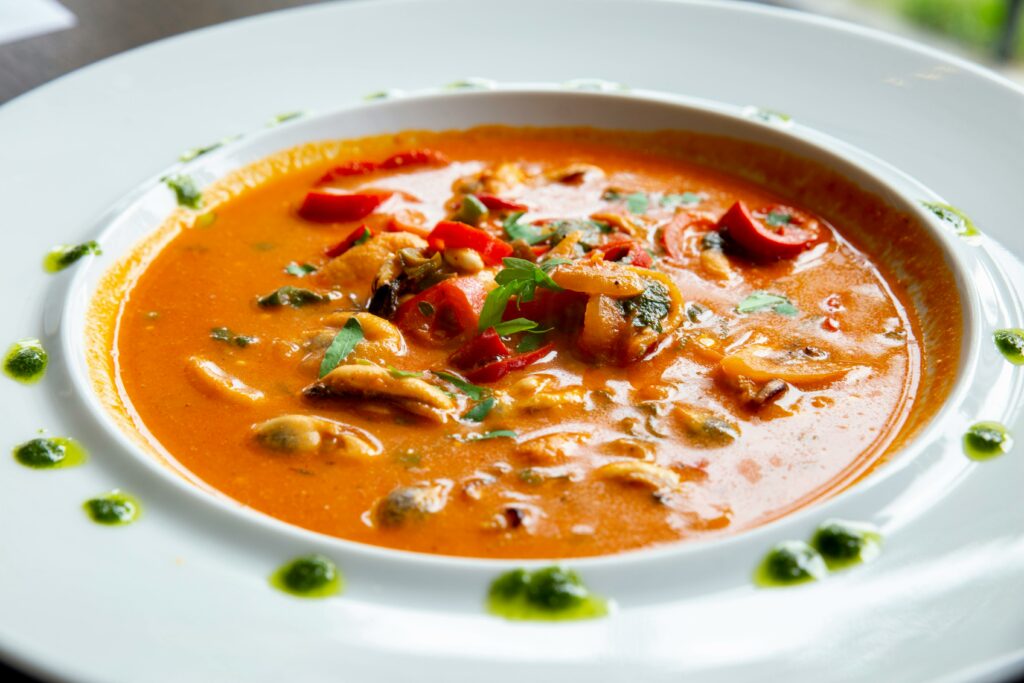
Let’s be honest – most bouillabaisse recipes you find online are, well, not really bouillabaisse. They’re fish soup. Nice fish soup, sure, but not the real thing. The authentic bouillabaisse from Marseille is a whole different beast. It’s messy, generous, loaded with flavour, and it takes a bit of patience. But once you’ve nailed it ? You’ll never look at fish stew the same way again.
The Soul of Bouillabaisse : From the Docks of Marseille to Your Kitchen
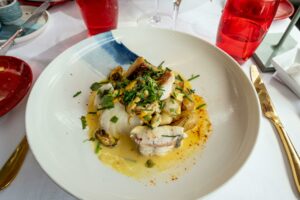
If you’ve ever wandered along the Vieux-Port in Marseille, you know the smell. That intense mix of saffron, fennel and the sea. It hits you before you even sit down. The dish has roots going back centuries – fishermen used to cook up their unsold catch in a big pot right on the docks. Nothing fancy, just good fish, good broth, and bread. That’s the spirit of it. If you’re curious about where to eat a proper one on the spot, have a look at https://restaurantmarseille.net for addresses worth trying. But today, we’re making it at home.
What Makes a “Real” Bouillabaisse ?
Here’s the thing. In Marseille, they actually wrote a charter – the Charte de la Bouillabaisse – back in 1980, to protect the recipe from tourist traps serving watered-down versions. And honestly, fair enough. The rules are pretty clear : you need at least four different species of rockfish, the broth has to be cooked separately, and it’s served in two parts – the soup first, then the fish on a platter.
Does that mean you have to follow it to the letter at home ? No. But understanding the principles helps you get closer to the real deal. The key is variety in the fish, a proper saffron-scented broth, and not overcooking anything.
The Fish : What You Actually Need
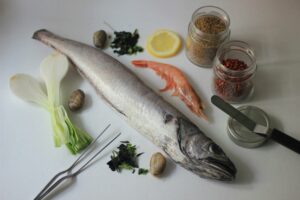
This is where it gets tricky outside of the Mediterranean. In Marseille, you’d use rascasse (scorpionfish), Saint-Pierre (John Dory), congre (conger eel), and vive (weever fish). Plus sometimes some galinette or baudroie (monkfish).
Now, unless you live near a really good fishmonger, you probably won’t find all of those. And that’s fine. Here’s what works well as substitutes :
Go for firm-fleshed white fish – sea bass, gurnard, red mullet, monkfish, or even hake. You want at least three or four different types. The variety is what gives the broth its depth. One type of fish alone just won’t cut it.
You’ll also want about 500g of smaller fish or fish heads and bones for the stock. Ask your fishmonger – they’ll usually give you those for next to nothing.
The Ingredients List (For 6 People)
For the broth :
– 500g fish bones, heads and small rockfish
– 2 onions, chopped
– 4 cloves of garlic, crushed
– 3 ripe tomatoes, roughly chopped (or a 400g tin of good quality ones)
– 1 small fennel bulb, sliced
– A strip of dried orange peel (trust me on this one)
– A generous pinch of saffron threads – real saffron, not powder
– 1 bouquet garni (thyme, bay leaf, parsley stalks)
– 4 tablespoons of olive oil – and I mean good olive oil
– About 1.5 litres of water
– Salt, pepper, a tiny pinch of cayenne
For the fish :
– About 1.5 to 2kg of mixed fish, cleaned, scaled and cut into big chunks
– 12 mussels or a handful of prawns if you fancy (optional, not traditional for the strict version but common in home cooking)
To serve :
– Crusty bread, sliced and toasted – stale baguette works perfectly
– Rouille (we’ll get to that)
– Grated Gruyère or Emmental
Step 1: Make the Broth First
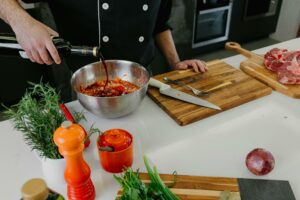
This is the backbone of the whole dish, so don’t rush it.
Heat the olive oil in a large heavy pot – a big Dutch oven is perfect. Toss in the onions and fennel, and let them soften for about 5 minutes over medium heat. No colour, just soft and translucent. Add the garlic, stir for a minute, then add the tomatoes. Let everything cook down for another 5 minutes until it looks like a rough paste.
Now add the fish bones and small fish. Stir them into the vegetables, press them down a bit, and let them cook for 3–4 minutes. Pour in the water, then add the bouquet garni, orange peel, saffron and cayenne. Bring it up to a strong boil – and this is important – keep it boiling hard for about 20 minutes. That vigorous boil is what emulsifies the oil into the broth and gives it that rich, slightly creamy texture. A gentle simmer won’t do the same job.
After 20 minutes, strain everything through a fine sieve, pressing down hard on the fish and veg to extract maximum flavour. Chuck the solids. Season the broth well – it should taste deeply of the sea, with saffron warmth in the background.
Step 2: Cook the Fish in the Broth
Bring your strained broth back to a gentle boil. Now here’s where timing matters.
Add the firmest fish first – monkfish, conger, gurnard. These need about 5–7 minutes. Then add the more delicate ones – sea bass, mullet, hake – which only need 3–4 minutes. If you’re using mussels, throw them in with the delicate fish. Prawns go in last, just a couple of minutes.
The biggest mistake people make ? Overcooking the fish. Seriously. The pieces should hold their shape and be just cooked through. If they’re falling apart, you’ve gone too far.
Once everything’s done, carefully lift the fish out with a slotted spoon and arrange it on a warm serving platter. Keep the broth hot.
Step 3: The Rouille – Don’t Skip This
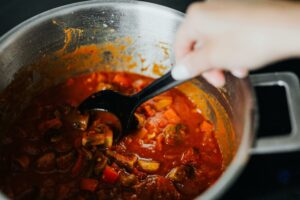
A bouillabaisse without rouille is like chips without salt. You could, but why would you ?
Rouille is basically a garlicky, saffron-spiked, slightly spicy mayonnaise. Here’s a quick version that works every time :
– 2 garlic cloves
– 1 egg yolk
– A pinch of saffron soaked in 1 tablespoon of warm water
– Half a teaspoon of cayenne pepper
– About 150ml olive oil
– A small piece of stale bread soaked in a bit of the fish broth, squeezed out
Pound the garlic with a pinch of salt in a mortar (or use a mini blender, no judgment). Add the soaked bread and egg yolk, mix well. Then slowly drizzle in the olive oil while stirring constantly until it thickens up like mayo. Stir in the saffron water and cayenne. Taste it. It should be punchy, a bit spicy, deeply golden.
How to Serve It Properly
This is the bit people often get wrong. Bouillabaisse isn’t served all in one bowl like a stew. Traditionally, it comes out in two stages.
First, ladle the hot broth into deep bowls. Place a couple of toasted bread slices in each bowl – spread with rouille and sprinkled with cheese. The bread soaks up that incredible broth.
Then the fish platter goes in the middle of the table. Everyone helps themselves. It’s communal, a bit messy, and completely wonderful.
Perso, I find it’s best served with a cold glass of rosé from Provence. Bandol or Cassis if you can get it. The dry, mineral character works perfectly against the richness of the broth.
Common Mistakes to Avoid
Using only one type of fish. The whole point is the blend. One fish makes fish soup, several make bouillabaisse.
Skipping the hard boil. That vigorous bubbling is what creates the emulsion. It’s not optional.
Adding potatoes. I know, I know – some recipes include them. But in Marseille, proper bouillabaisse doesn’t have potatoes. That’s more of a Provençal fish stew thing. If you want them, go ahead, but know you’re going off-piste.
Using cheap saffron. If your saffron didn’t cost much, it’s probably not saffron. You only need a small pinch, but it has to be the real thing – those thin, dark red threads. It makes all the difference.
Can You Make It Ahead ?
The broth ? Absolutely. Make it the day before, it’ll only get better. Keep it in the fridge and reheat when you’re ready. But cook the fish fresh, right before serving. Reheated fish in a bouillabaisse is just sad. Nobody wants that.
Final Thoughts
Making a proper bouillabaisse at home takes a bit of effort, there’s no getting around that. But it’s not complicated – it’s more about good ingredients and respect for the process than any fancy technique. Get the best fish you can find, don’t skip the saffron, boil that broth hard, and serve it with love and good bread.
It’s one of those dishes that feels like a celebration even on a random Tuesday. And once you’ve made it properly, the supermarket “bouillabaisse” in a jar will never tempt you again. Promise.
Vous avez dit : donne un titre h2 à cette partie
