
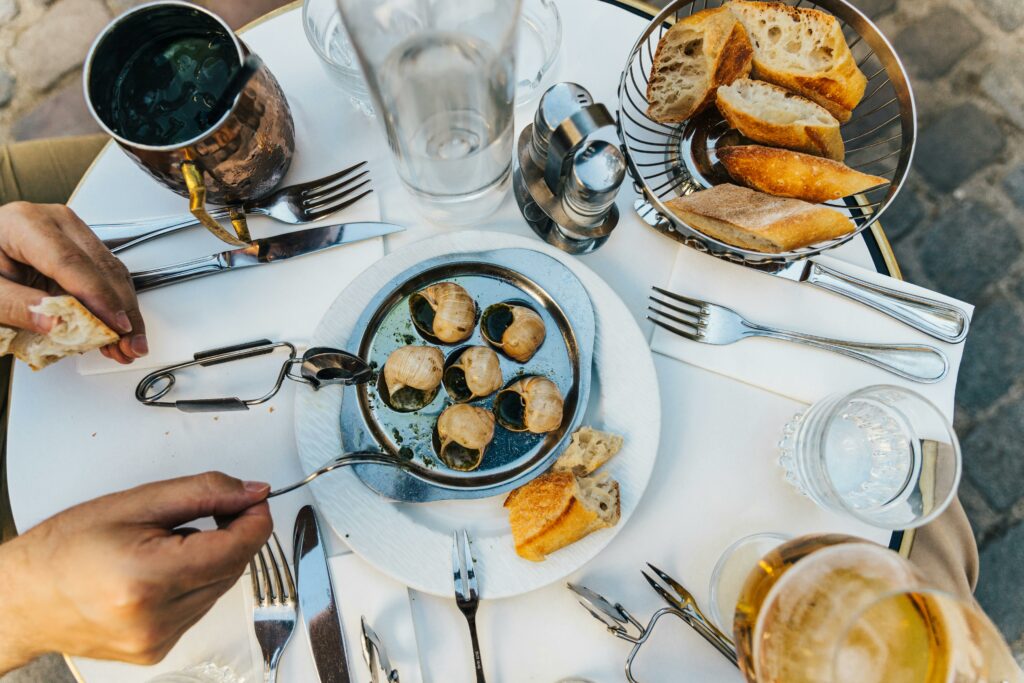
French cooking has this reputation for being fussy. Complicated. The kind of thing that requires a chef’s hat and seventeen copper pans. But here’s the truth – a huge chunk of classic French cuisine is actually peasant food. Hearty, simple stuff that families have been throwing together for generations with whatever was in the kitchen. You don’t need culinary school for this. You just need decent ingredients and a bit of patience.
Why French Cooking Is Easier Than You Think
The real magic of French cooking isn’t complexity – it’s technique and good produce. A perfect omelette. A slow-cooked stew. Onions caramelised until they’re almost jammy. That’s the foundation. And honestly, once you’ve tried making a few of these at home, you’ll wonder why you ever found it intimidating. If you’re curious about how these classics taste when done by proper French chefs, https://restaurant-depart.fr is a good starting point for exploring authentic French restaurants. But for now, let’s get cooking.
1. French Onion Soup
This one’s almost embarrassingly simple. Onions, butter, stock, bread, cheese. That’s basically it. The catch ? You need to caramelise those onions properly, and that takes about 45 minutes to an hour. Low heat, no shortcuts. Stir them every few minutes, let them go deep golden brown – almost mahogany.
Use a mix of beef and chicken stock if you can. A splash of dry white wine or even a bit of brandy lifts the whole thing. Then ladle it into oven-safe bowls, float a thick slice of toasted baguette on top, pile on grated Gruyère, and grill until it’s bubbling and a bit charred at the edges. That’s it. Seriously.
The hardest part is not eating all the caramelised onions before they make it into the soup. Ask me how I know.
2. Croque-Monsieur
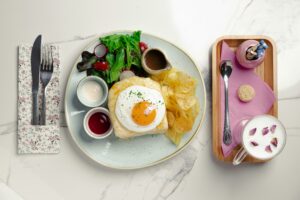
A fancy ham and cheese toastie. I mean, that’s essentially what it is – but the béchamel sauce is what makes it French. And béchamel is just butter, flour and milk. Three ingredients. Takes about five minutes.
Spread béchamel on good white bread, layer on sliced ham (proper ham, not the wafer-thin stuff), top with more béchamel and a generous pile of grated Gruyère or Emmental. Bake at 200°C for about 10 minutes until it’s golden and oozing. Want a croque-madame ? Stick a fried egg on top. Done.
I find this works best with slightly stale bread, actually. It holds together better and gets crispier.
3. Ratatouille
Forget the fancy layered version from the Pixar film for a minute. Traditional ratatouille is a rustic vegetable stew from Provence. Aubergine, courgette, peppers, tomatoes, onions, garlic, olive oil, herbs. You chop everything roughly, cook the vegetables in stages, then let them simmer together until they’re soft and silky.
The key is cooking each vegetable separately at first – just for a few minutes each in olive oil – before combining them. This way they keep their own character instead of turning into mush. Add fresh thyme and basil towards the end. Season well. It’s even better the next day, which makes it perfect for meal prep.
Serve it warm with crusty bread, or cold as a side. It honestly goes with almost anything.
4. Quiche Lorraine
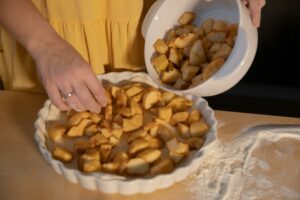
People overthink quiche. The filling is literally eggs, cream, and lardons (or good smoked bacon). That’s the original Lorraine version – no cheese, no onions, no spinach. Just a rich, silky egg custard with salty pork in a buttery pastry shell.
If you want to make it even easier, use shop-bought shortcrust pastry. No shame in that. Blind bake it for 15 minutes, scatter in fried lardons, pour over the egg and cream mixture (about 3 eggs to 300ml of double cream), and bake at 180°C for 25–30 minutes until just set with a slight wobble in the centre.
The wobble is important. Overcooked quiche goes rubbery, and nobody wants that.
5. Coq au Vin
This sounds grand, but it’s really just chicken braised in red wine. That’s the whole concept. It started as a way to cook tough old roosters – the long, slow braise tenderised the meat. With modern chicken, it’s even easier because the meat is already tender.
Brown your chicken pieces well in butter and oil. Set them aside. In the same pot, cook diced bacon, mushrooms, small onions (or shallots) and garlic. Pour in a bottle of decent red wine – Burgundy traditionally, but any full-bodied red works. Add chicken stock, a bouquet garni, and nestle the chicken back in. Cover and cook in the oven at 160°C for about an hour and a half.
The sauce reduces into something incredibly rich and glossy. Serve it with mashed potato or just more bread. It’s a cold-weather winner.
6. Tarte Tatin
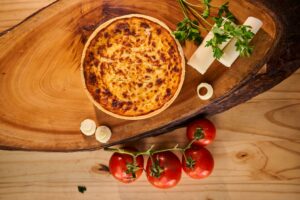
An upside-down caramelised apple tart. The story goes that the Tatin sisters in the Loire Valley accidentally invented it by cooking apples in butter and sugar and then throwing pastry on top. Whether that’s true or not, the result is genius.
Cook apple halves (Braeburn or Cox work well) in butter and sugar in an oven-safe frying pan until they’re deeply caramelised – about 20 minutes on medium heat. Lay a circle of puff pastry over the top, tuck in the edges, and bake at 190°C for about 25 minutes until the pastry is puffed and golden. Flip it onto a plate. Try not to burn yourself.
Serve warm with crème fraîche or vanilla ice cream. It looks impressive, but honestly the whole thing takes maybe 50 minutes, start to finish.
7. Salade Niçoise
This is barely cooking, which is exactly why it belongs on this list. A proper niçoise from Nice (the clue’s in the name) is a composed salad – meaning you arrange everything on a plate rather than tossing it in a bowl.
The essentials : good tinned tuna (in olive oil, please), hard-boiled eggs, ripe tomatoes, green beans blanched for 3 minutes, niçoise olives, anchovies, and a simple vinaigrette with red wine vinegar. Some people add boiled potatoes. Lettuce is optional – in Nice itself, purists often skip it entirely.
The whole thing comes together in about 15 minutes. It’s perfect for summer, and it’s one of those meals that looks like you made way more effort than you actually did.
8. Mousse au Chocolat
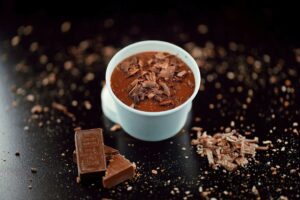
French chocolate mousse uses just two main ingredients in its simplest form : dark chocolate and eggs. That’s it. No cream, no gelatine, no nonsense.
Melt 200g of good dark chocolate (70% cocoa). Separate 6 eggs. Beat the yolks into the melted chocolate. Whisk the whites until they hold stiff peaks with a pinch of salt, then fold them gently into the chocolate mixture in three batches. Pour into glasses or ramekins and refrigerate for at least 4 hours.
The texture should be light, airy, and intensely chocolatey. I find it’s best made the night before – gives it time to properly set. And use the best chocolate you can afford. Since there are so few ingredients, the quality of each one really shows.
The Takeaway
French cooking isn’t about being fancy. The dishes that have survived for centuries are the ones that ordinary people made with simple ingredients and good instincts. If you can chop an onion, brown some meat, and be patient with a slow simmer, you can cook French food. Stop overthinking it.
Pick one dish from this list, try it this weekend, and you’ll see what I mean. It’s way less scary than it looks – and way more delicious than it has any right to be.
Vous avez dit : donne un titre h2 à cette partie
